
Hamilton Commercial Concrete Driveways

07 809 4186
Commercial Concrete Driveway

Commercial Concrete Driveway Contractors In Hamilton

We build commercial concrete driveways, car parks, loading yards and heavy-duty vehicle access across Hamilton and the wider Waikato. Every pour is designed around the vehicles that will actually use it, from courier vans and customer parking through to fully laden trucks, forklifts and weekly bin collection.

Commercial work is not simply a bigger version of a residential driveway. Slab thickness, reinforcing, subgrade compaction, joint layout and stormwater all have to be specified for the axle loads and traffic volumes your site carries. We work from engineer’s drawings where they already exist and can arrange that design where they do not, so the finished surface is rated for the job rather than failing in its second winter.

We pour for retail and hospitality car parks, industrial and warehouse yards, transport depots, body corporates and apartment accessways, schools, medical centres, service stations and rural commercial sites. Work is staged and programmed so your business keeps trading, with night and weekend pours available where a daytime closure is not an option.

You get a free on-site assessment, written itemised pricing with the slab specification stated in it, full public liability cover, site-specific health and safety documentation, and a workmanship guarantee in writing on completion.
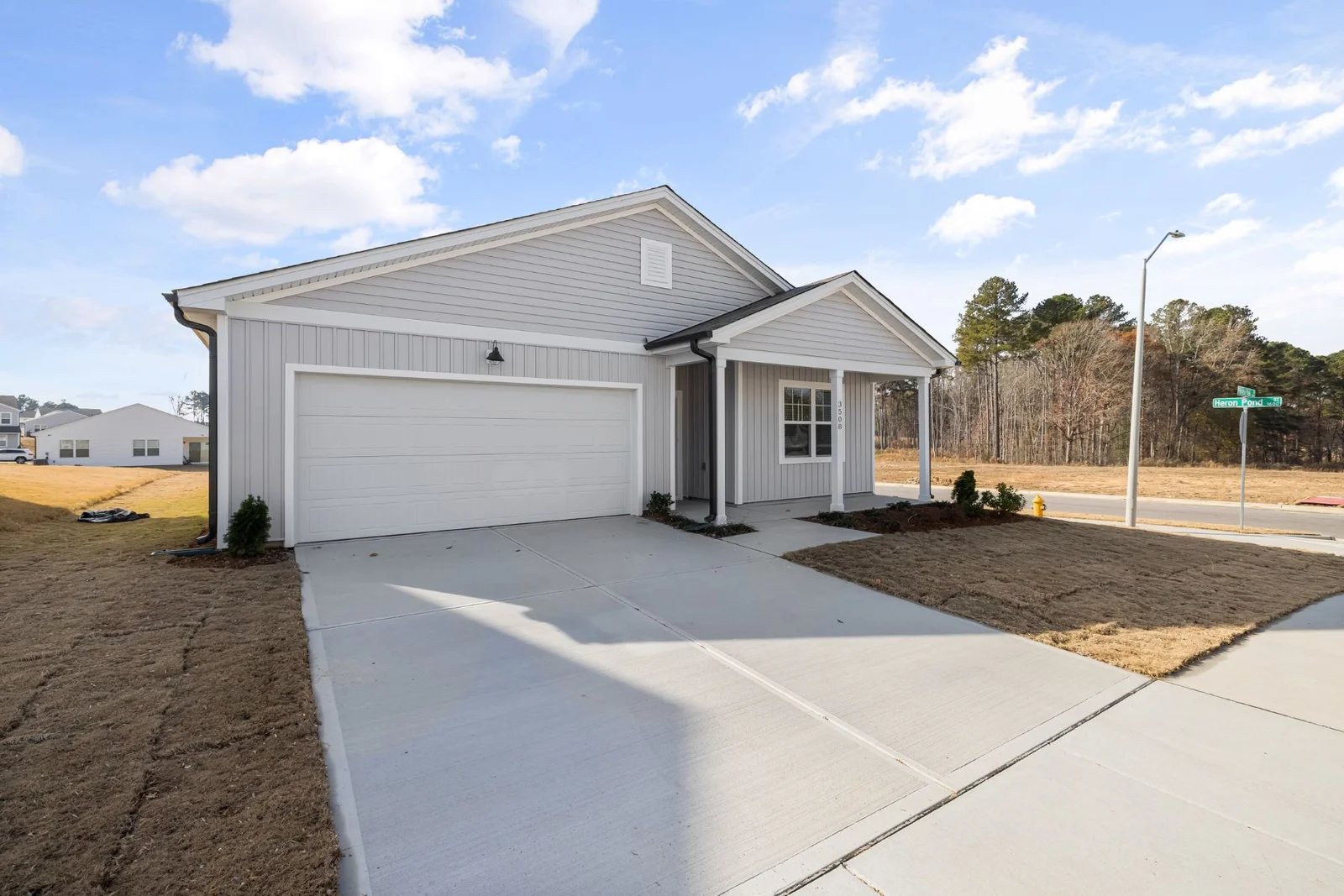
Built For Trucks, Forklifts And Traffic That Never Stops

A commercial slab lives a far harder life than any driveway at a house. Turning trucks drive shear into the surface, forklift wheels concentrate heavy load into very small contact points, and rubbish trucks hammer the same few metres every single week. We build for exactly that: thicker slabs, heavier reinforcing, compacted and tested basecourse, correctly spaced control and construction joints, and sawcuts timed so the concrete cracks where we decide rather than where it chooses.

Drainage gets the same attention, because standing water on a commercial yard is both a liability underfoot and the quickest way to destroy a slab from underneath. We set falls to existing or new sumps, install channel drains across entrances where the levels demand it, and manage the Hamilton City Council vehicle crossing approvals that commercial entrances usually trigger. Where access is tight or the pour sits over a basement, concrete pumping is built into the programme from the start.

Line marking, wheel stops, bollards, accessible parking bays and signage can all be completed as part of the same job. If other parts of the site need attention at the same time we handle concrete crack repair and full driveway replacement too, so you are dealing with one contractor and one programme instead of four.

Concrete driveway Hamilton New Zealand home

Helpful Answers

Frequently Asked Questions

Our Hamilton team is happy to help. Call us for a free, no-obligation chat about your concrete needs.

Call 07 809 4186
01 How much does a commercial concrete driveway cost in Hamilton?

Commercial concrete generally sits above residential rates because the slab is thicker, the reinforcing is heavier and the base has to be built and tested to carry real loads. As a rough guide, most commercial work falls between $130 and $220 per square metre, with heavy-duty truck and forklift areas above that. The real drivers are slab thickness and reinforcing specification, how much excavation and basecourse the subgrade needs, drainage and sump work, site access for trucks and pumps, traffic management, and whether the pour has to be staged or run after hours. Because those vary enormously between sites, the only accurate number comes from a free on-site assessment and a written itemised quote.

02 How thick does a commercial concrete driveway need to be?

A typical house driveway is poured at around 100mm. Light commercial traffic such as staff and customer car parking usually needs 125mm to 150mm, and areas carrying loaded trucks, forklifts, bin trucks or containers commonly need 175mm to 200mm or more, with heavier mesh or bar reinforcing and a deeper compacted basecourse underneath. Thickness alone is not the answer either — the base, the reinforcing and the joint layout matter just as much. For anything carrying significant load we work to an engineer’s specification so the slab is designed for your actual vehicles.

03 Can you pour our driveway without shutting the business down?

In most cases yes, and it is the normal way we run commercial jobs. Large areas are broken into stages so half the yard or car park stays open while the other half is poured and cured. We can keep a temporary access route open, work nights and weekends, and programme around delivery windows, trading hours and peak periods. We will walk the site with you first and agree the staging, the traffic management and the dates in writing before anything starts, so your team and your customers know exactly what to expect.

04 How long before we can drive trucks on the new slab?

Foot traffic is usually fine after about 24 to 48 hours. Light vehicles can generally go on at around 7 days. Loaded trucks, forklifts and heavy plant should wait the full 28 days, which is when concrete reaches its design strength. Where a business genuinely cannot wait that long, high early strength mixes can shorten the heavy-traffic window considerably, and we will price that option if it suits your programme. Either way you get a written schedule showing exactly when each part of the site comes back into service.

05 Do we need council approval for a commercial vehicle crossing in Hamilton?

Usually, yes. A new or widened commercial vehicle crossing onto a public road needs approval from Hamilton City Council, and there are requirements covering crossing width, sight lines, gradient, kerb and channel work, and how stormwater from the new impervious surface is handled. Larger commercial sites can also trigger resource consent conditions. We are used to these processes, prepare the documentation, and manage the application and inspections on your behalf so the work is compliant and there are no nasty surprises after the pour.

06 What finish works best for a commercial car park or yard?

A broomed or brushed finish is the standard choice for commercial driveways and yards because it gives reliable grip for both vehicles and pedestrians in wet Waikato weather, and it wears well under constant traffic. Ramps and steeper accessways get a heavier broom or a grooved finish for extra traction. Decorative options like exposed aggregate and stamped patterns are generally poor choices for heavy commercial traffic, though they can work well on the customer-facing entrance or forecourt while the working areas stay practical. We will talk through the trade-offs for each part of your site.

07 Do you handle the earthworks, drainage and line marking as well?

Yes. We take commercial jobs from bare or broken-out ground through to a finished, marked and usable surface. That covers demolition and removal of the old surface, excavation and cartage, subgrade preparation and basecourse compaction, drainage and sumps, reinforcing, the pour and finish, cutting and sealing joints, then line marking, wheel stops and bollards. Running it as one contract means one point of responsibility, one programme and no gaps between trades where problems usually appear.