
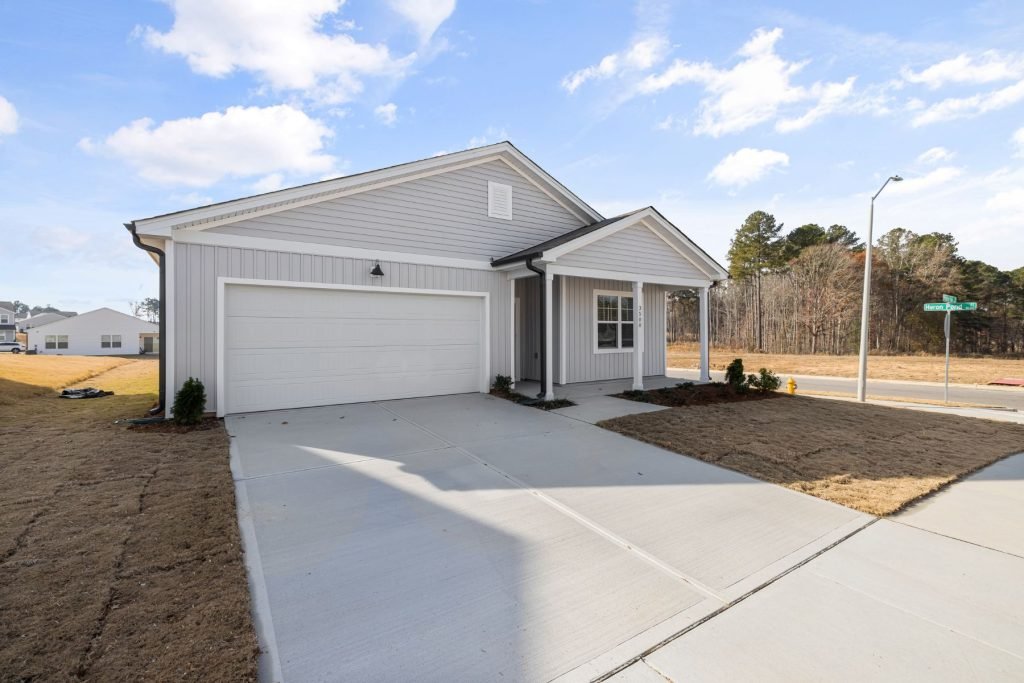
When you’re planning to install a new concrete driveway in Hamilton (or simply upgrade your existing one), one of the first things to check is the permits and regulations. It might not be the most fun part of the project, but getting this right from the start helps avoid delays, extra costs, or compliance issues later on.
Why the rules matter
You might think, “It’s just a driveway – how complicated can it be?” But in reality, driveways cross the boundary between private property and the public realm (footpaths, roads, kerbs), affect drainage, impact neighbours, and tie into the urban infrastructure. So the local council and Building Code want to make sure things are safe, durable and don’t cause problems.
In Hamilton, you’ll want to check with Hamilton City Council about building consents and any local bylaws.
What you’ll likely need
Here’s a breakdown of what to look out for when you’re planning a concrete driveway in Hamilton:
Council consent/building permit: Some driveway works may require a building consent or resource consent, especially if you’re altering the slope, drainage patterns, retaining structures, or if your driveway crosses public land.
Drainage & stormwater management: New driveways must manage water so it doesn’t flow uncontrolled into neighbouring properties, public roads or footpaths. Drainage design is a key part of the regulation.
Width, slope and design standards: Rules often specify how steep a driveway can be, the minimum width for access, turning space, and how the driveway ties into the road network.
Material, finish and structure: The driveway needs to be strong enough to handle the expected loads, plus the finish has to meet standards (for safety, durability, aesthetics).
Interface with public land/footpath: If your driveway works affect the footpath, berm or kerb (for example a new crossover), extra approvals may be needed.
Steps to ensure compliance
Check early – Before you commit to a design or contractor, check with the Hamilton City Council or your builder about what approvals are needed.
Have a good plan – Prepare a layout showing driveway route, slopes, drainage, materials, tie-in with road/footpath. This helps with approvals and gives your contractor a clear brief.
Engage a reputable contractor – A good contractor will help you navigate the permit process, and build the driveway to meet both regulatory and practical standards.
Apply for consent(s) – Submit the required forms to the council, pay any fees, and wait for approval. Keep in mind that some projects may be deemed “minor works” and not require full building consent, but you must confirm.
Build & inspect – During construction you may need to allow for inspections. Make sure the building work is done to the approved plan and standards.
Final sign-off – Once complete, ensure everything is documented (photos, compliance certificates) so you’re covered for future property resale or issues.
Common pitfalls to avoid
Starting work without checking for council approval = risk of fines or being forced to redo work.
Poor drainage design = water pooling, damage or problems with neighbours.
Steep slopes or poor junctions with the road = safety issues or non-compliance.
No written plan or specification = potential disputes or unexpected costs later.
Using inexperienced contractors who don’t understand local regulations.
Final thoughts
If you’re installing a concrete driveway in Hamilton, doing the regulatory homework is just as important as choosing the right materials and finishing. By planning carefully, checking with the council, and working with professionals, you’ll ensure your driveway is compliant, safe, and built to last. It’s one less thing to worry about, and one more way to enhance the value and appearance of your home.