
BLOG
Stamped Concrete Hamilton: A Full Guide For Homeowners
Stamped concrete is quickly becoming a preferred choice for homeowners in Hamilton and Te Awamutu looking to enhance their property’s curb appeal. Combining beauty and durability, stamped concrete driveways offer the look of natural stone, brick, or tile without the high costs. Whether you’re renovating your current driveway or planning a new one, this guide will help you understand why stamped concrete is an excellent investment.
What Is Stamped Concrete?
Stamped concrete is created by pressing patterns into freshly poured concrete, mimicking the appearance of more expensive materials like slate, cobblestone, or even wood. Colour is often added to achieve a realistic look, with options ranging from subtle earthy tones to vibrant modern shades. The result is a driveway that looks luxurious without the steep price tag.
Get a Free Estimate
Most popular stamped concrete choices in Hamilton
So, you want to have stamped concrete for your property. Here are six popular stamped concrete driveway designs to consider:
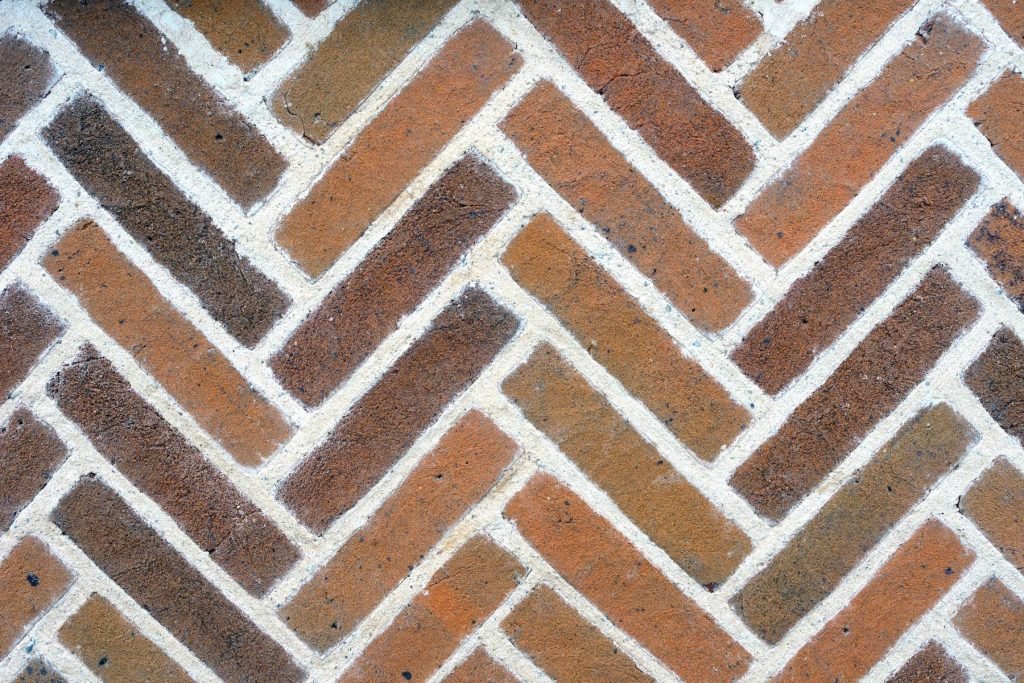
Ashlar Slate
Mimicking the look of cut stone, this pattern features rectangular and square shapes arranged in a random or uniform layout. It adds a sophisticated, timeless appearance perfect for both modern and traditional homes.
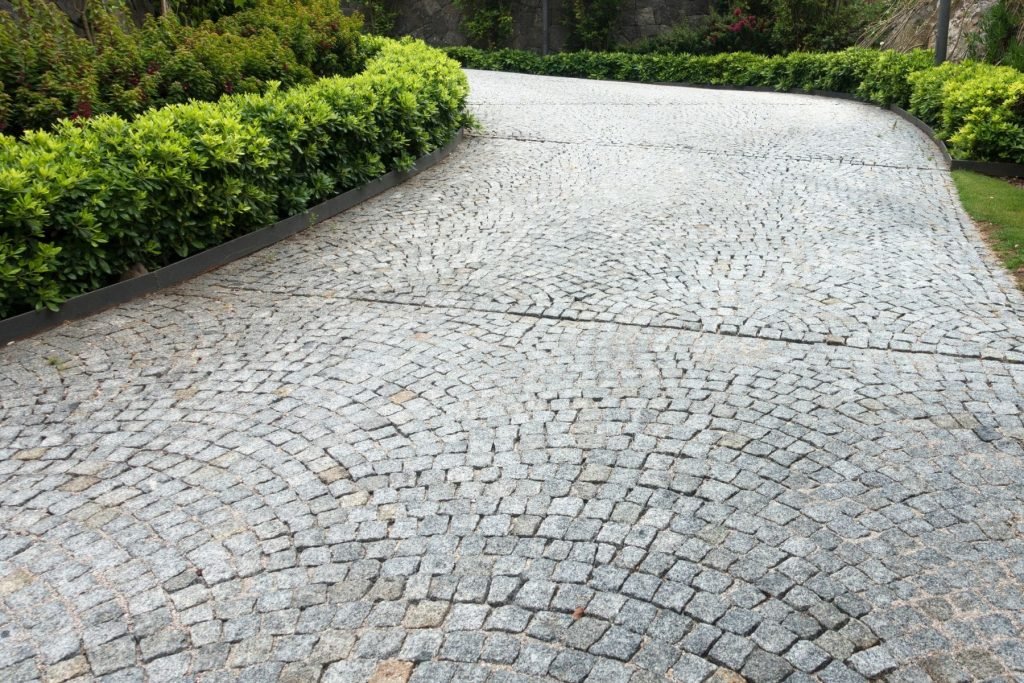
Cobblestone
Designed to replicate old-world cobblestone streets, this style adds a rustic and charming touch. It’s ideal for homeowners looking to create a classic European feel on their driveway.
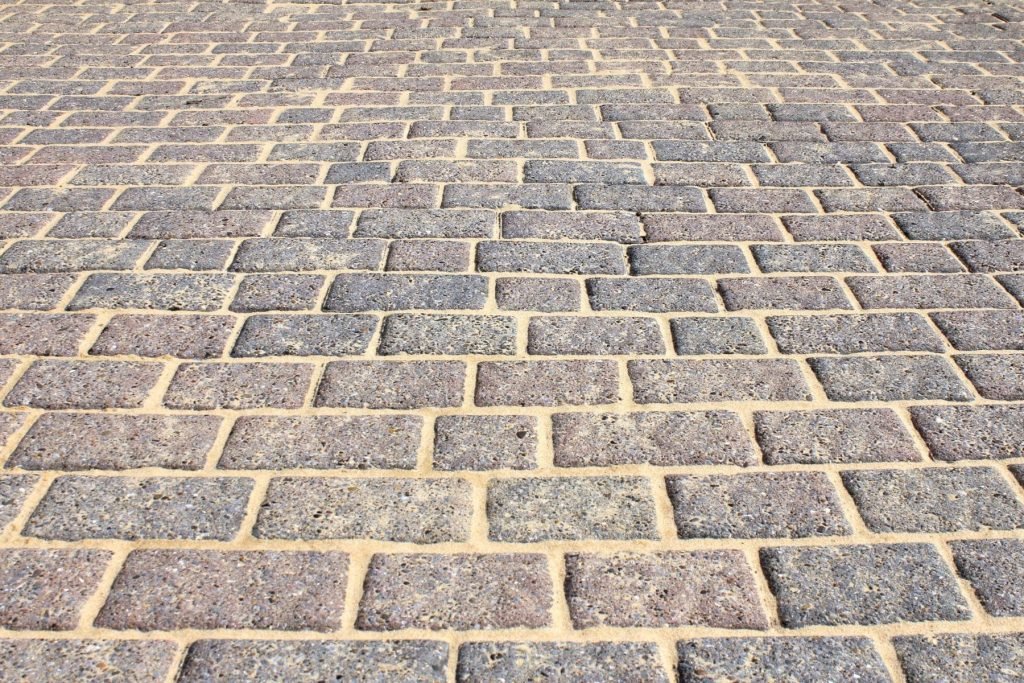
Herringbone Brick
This design mimics the appearance of hand-laid bricks in a diagonal or V-shaped pattern. It’s a great option for those who want a traditional, elegant look with the durability of concrete.
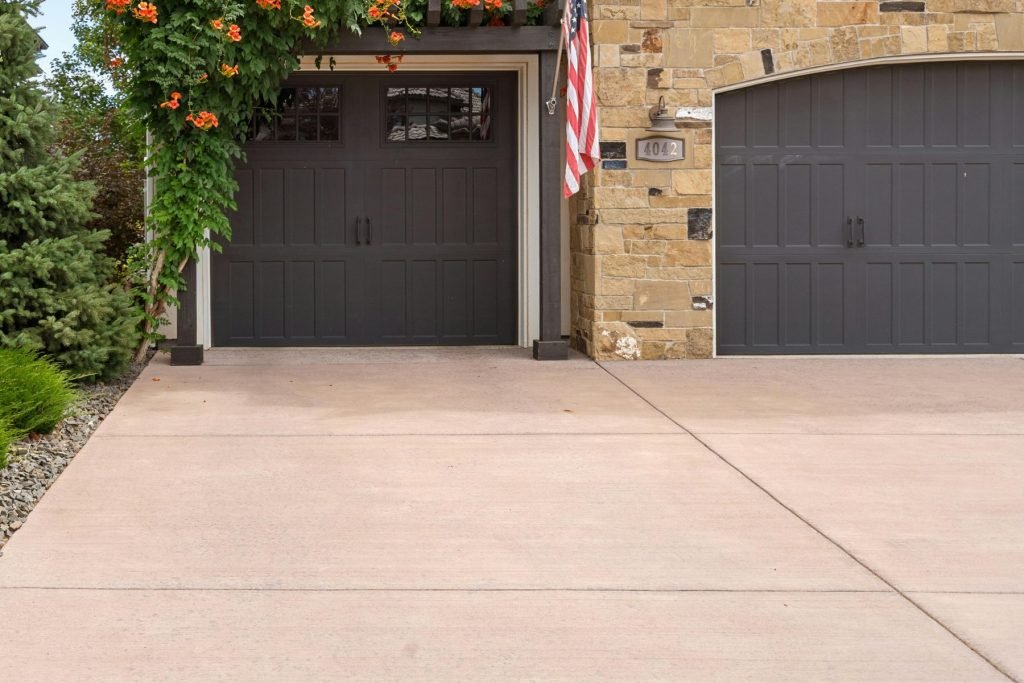
Wood Plank
Stamped concrete can replicate the appearance of natural wood without the maintenance. The textured wood grain finish brings a warm, rustic charm to your driveway, often used for farmhouse or contemporary styles.
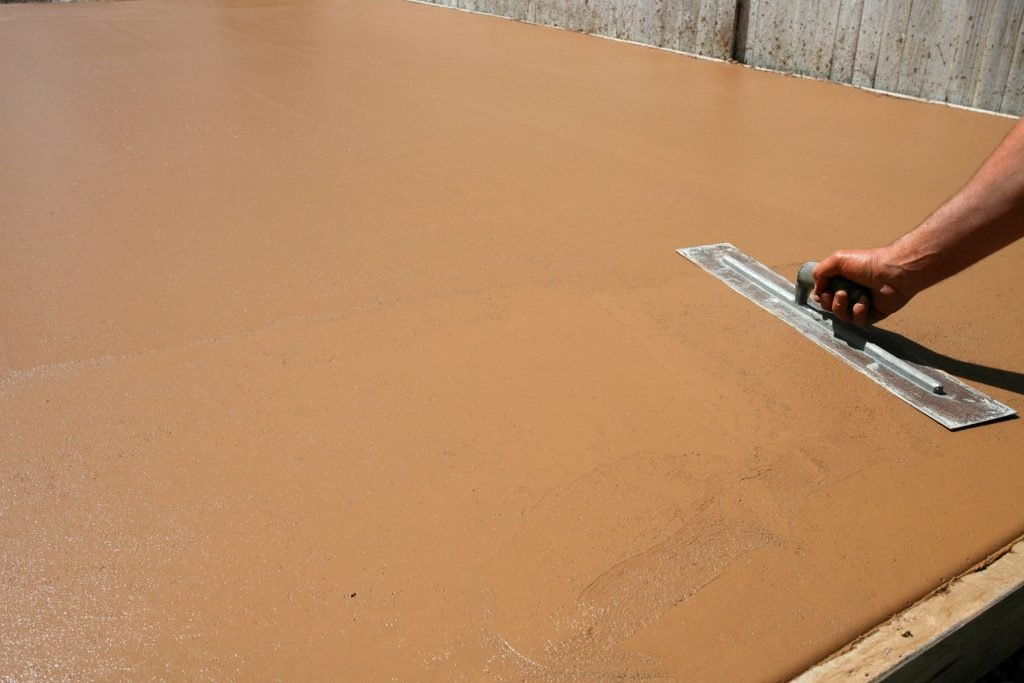
Seamless Texture
For a sleek and natural finish, seamless stamped concrete uses stone-like textures without distinct pattern lines. This design is ideal for homeowners who want a subtle yet elegant look.
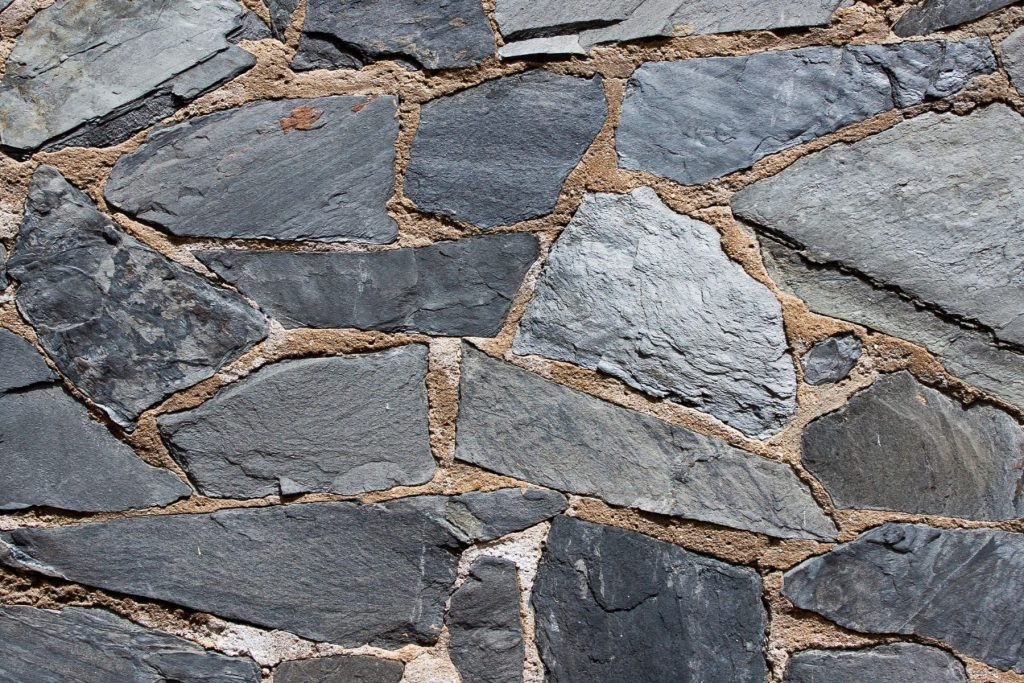
Flagstone
Flagstone patterns offer the beauty of large, irregularly shaped stones with natural variations in colour and texture. It’s a versatile choice that complements both modern and rustic exteriors.
Do You Need Council Approval for a Concrete Driveway?
Before installing a concrete driveway, it’s important to check with your local council to determine whether you need approval. In general, driveways on private property may not require a permit, but if your driveway crosses a footpath, berm, or road, council consent is usually mandatory. These are considered vehicle crossings, and approval ensures the design meets safety and infrastructure standards.
In some cases, your project may be classified as ‘minor works’ and not need formal consent. However, if significant excavation, drainage changes, or retaining walls are involved, resource consent may be required. Consulting with a qualified contractor or the council early in your planning process can help clarify your obligations.
Key Council Requirements for Concrete Driveways
Before installing a concrete driveway, it’s important to check with your local council to determine whether you need approval. In general, driveways on private property may not require a permit, but if your driveway crosses a footpath, berm, or road, council consent is usually mandatory. These are considered vehicle crossings, and approval ensures the design meets safety and infrastructure standards.
In some cases, your project may be classified as ‘minor works’ and not need formal consent. However, if significant excavation, drainage changes, or retaining walls are involved, resource consent may be required. Consulting with a qualified contractor or the council early in your planning process can help clarify your obligations.
Each council has specific regulations to ensure driveways are safe, durable, and don’t negatively impact public infrastructure. Some common requirements include:
Driveway Width
Councils regulate the minimum and maximum widths to ensure accessibility and safety for vehicles and pedestrians. Residential driveways typically range between 2.5 to 3.5 metres for single-car access, while wider driveways up to 6 metres are permitted for multiple vehicles or commercial properties. Wider driveways may require additional council approval to prevent excessive loss of footpath space.
Gradient and Slope
The driveway’s slope must allow safe entry and exit while also managing stormwater effectively. Most councils set a maximum gradient of 1:5 (20%), meaning for every 5 metres of horizontal distance, the driveway should not rise or fall more than 1 metre. Steeper slopes can lead to water run-off issues and difficulty for vehicles, especially in wet conditions. Some councils may require engineered solutions such as step-down driveways or retaining structures if the slope is too steep.
Setbacks and Distances
Driveways must maintain a safe clearance from intersections, street corners, utility services, and drainage systems to avoid traffic hazards and infrastructure damage. For example, driveways near busy roads may need to be positioned at least 1.5 metres away from intersections or pedestrian crossings to ensure clear sightlines for drivers. Councils also regulate distances from underground utilities to prevent interference with pipes, cables, or stormwater drains.
Construction Standards
The thickness and reinforcement of the concrete must comply with council specifications to handle different vehicle loads. A standard residential concrete driveway usually requires a thickness of 100mm (10cm) with reinforced steel mesh for added durability, while driveways that accommodate heavier vehicles, such as commercial trucks, may require thicker concrete (150mm or more). Additionally, the surface finish must provide sufficient traction to prevent skidding, with common options including broom-finished, exposed aggregate, or stamped concrete.
Key Council Requirements for Concrete Driveways
Before installing a concrete driveway, it’s important to check with your local council to determine whether you need approval. In general, driveways on private property may not require a permit, but if your driveway crosses a footpath, berm, or road, council consent is usually mandatory. These are considered vehicle crossings, and approval ensures the design meets safety and infrastructure standards.
In some cases, your project may be classified as ‘minor works’ and not need formal consent. However, if significant excavation, drainage changes, or retaining walls are involved, resource consent may be required. Consulting with a qualified contractor or the council early in your planning process can help clarify your obligations. Each council has specific regulations to ensure driveways are safe, durable, and don’t negatively impact public infrastructure. Some common requirements include:
In general, the thickness and reinforcement of the concrete must comply with council specifications to handle different vehicle loads. A standard residential concrete driveway usually requires a thickness of 100mm (10cm) with reinforced steel mesh for added durability, while driveways that accommodate heavier vehicles, such as commercial trucks, may require thicker concrete (150mm or more). Additionally, the surface finish must provide sufficient traction to prevent skidding, with common options including broom-finished, exposed aggregate, or stamped concrete. The following are some council requirements that you should observe when having a concrete driveway installed.
Driveway Width (2.5 to 3.5 metres)
Councils regulate the minimum and maximum widths to ensure accessibility and safety for vehicles and pedestrians. Residential driveways typically range between 2.5 to 3.5 metres for single-car access, while wider driveways up to 6 metres are permitted for multiple vehicles or commercial properties. Wider driveways may require additional council approval to prevent excessive loss of footpath space.
Gradient and Slope (1:5 max gradient)
The driveway’s slope must allow safe entry and exit while also managing stormwater effectively. Most councils set a maximum gradient of 1:5 (20%), meaning for every 5 metres of horizontal distance, the driveway should not rise or fall more than 1 metre. Steeper slopes can lead to water run-off issues and difficulty for vehicles, especially in wet conditions. Some councils may require engineered solutions such as step-down driveways or retaining structures if the slope is too steep.
Setbacks and Distances (1.5 metres away from intersections)
Driveways must maintain a safe clearance from intersections, street corners, utility services, and drainage systems to avoid traffic hazards and infrastructure damage. For example, driveways near busy roads may need to be positioned at least 1.5 metres away from intersections or pedestrian crossings to ensure clear sightlines for drivers. Councils also regulate distances from underground utilities to prevent interference with pipes, cables, or stormwater drains.
Does the council requirement apply for stamped concrete?
Yes, council requirements apply to stamped concrete driveways just like any other concrete driveway. While stamped concrete is primarily a decorative finish, it must still meet all structural and safety standards set by your local council. This includes regulations on driveway width, gradient, drainage, and the thickness of the concrete to ensure it can support vehicle loads. Additionally, if your stamped concrete driveway involves a vehicle crossing that connects to a public road, you’ll need council approval to ensure it doesn’t compromise pedestrian safety or public infrastructure. Proper construction methods and compliance with council guidelines will not only ensure your driveway looks great but also remains durable and functional for years to come
Why do homeowners prefer stamped concrete?
Homeowners often prefer stamped concrete because it offers the perfect blend of style and durability. We can utilize different designs for your stamped concrete that mimics the appearance of high-end materials like brick, stone, or slate but at a fraction of the cost. Moreover, stamped concrete can be customise to resemble a wide variety of patterns and textures. We can also colour them according to your choice. It is perfect for patios, walkways, and driveways. Beyond aesthetics, it’s also low-maintenance and long-lasting, standing up well to New Zealand’s weather conditions. Additionally, stamped concrete provides a seamless and durable surface that resists cracking and wear, making it a practical and stylish choice for enhancing a property’s curb appeal.
Stamped concrete driveway design ideas
Here are six stamped concrete driveway design ideas for homes in Hamilton, New Zealand.
Long Straight Driveway with Wood Plank Stamping
For rural or suburban homes with extended driveways, a stamped wood plank finish creates a rustic, natural aesthetic. It’s a great way to blend with the surrounding landscape while enjoying the durability of concrete.
Split-Level Driveway with Ashlar Slate
Perfect for properties on sloped terrain, a split-level driveway with retaining walls can be both functional and attractive. Stamped ashlar slate adds a contemporary and refined look, complementing modern or traditional homes.
Circular Driveway with Stamped Cobblestone
Ideal for larger properties, a circular driveway adds a grand and elegant entrance. Using a stamped cobblestone pattern enhances its classic appeal while offering easy traffic flow for multiple vehicles.
Bordered Driveway with Herringbone Brick Stamping
Add a decorative touch to a simple straight or curved driveway by incorporating contrasting borders in a herringbone brick stamp. This design is perfect for heritage-style homes in Hamilton’s older neighbourhoods.
Driveway with Stamped Flagstone and Garden Features
Enhance your driveway with a stamped flagstone pattern and integrate it with landscaped garden beds or a central fountain. This design works well for residential properties with larger front yards, adding curb appeal and sophistication.
Exposed Aggregate and Stamped Concrete Combo
Combine the textured look of exposed aggregate with stamped concrete sections for a modern yet low-maintenance driveway. This is a practical choice for homes in Hamilton’s urban areas, offering both slip resistance and visual appeal.
How to choose the best stamped concrete contractor
Check Their Experience and Portfolio: Start by looking at the contractor’s experience in stamped concrete projects. A seasoned contractor will have a portfolio of completed driveways, patios, or walkways to show off their skills. Pay attention to the variety of patterns, colours, and finishes they’ve done — the more diverse, the better.
Ask for References and Reviews: A reliable contractor should be happy to provide references from previous clients. Take the time to read online reviews and testimonials. It’s a great way to get a sense of their reputation and see if they’ve consistently delivered quality work.
Ensure They Understand Local Regulations: In Hamilton, stamped concrete driveways may need to meet specific council regulations. Make sure your contractor is familiar with the permit process and any local guidelines for driveway width, drainage, and vehicle crossings. This can save you time and avoid costly mistakes.
Discuss the Details: A good contractor will walk you through the entire process — from selecting patterns and colours to explaining how the job will be done. They should also be upfront about timelines and potential challenges. Clear communication means fewer surprises down the road.
Get a Clear Quote: Always ask for a detailed quote that breaks down material costs, labour, and any additional fees. Beware of quotes that seem too good to be true — they often are. A reputable contractor will provide a fair and transparent estimate, ensuring you know exactly what you’re paying for.