
Hamilton Driveway Sealing
Driveway Sealing Hamilton
Driveway sealing helps prevent water penetration and the formation of cracks and potholes, and other types of damage. Water can seep into the pores of the driveway surface, freeze during cold weather, and expand, leading to cracks and structural weakening. Sealing helps to waterproof the driveway, preventing water from infiltrating the surface and causing these issues.
Driveway sealers often contain additives that provide protection against UV radiation from the sun. Continuous exposure to sunlight can cause asphalt to oxidize and deteriorate, leading to fading, discoloration, and brittleness. By applying a sealer with UV protection, homeowners can help maintain the appearance and structural integrity of their driveway for longer.
Get a Free Estimate
Most Trusted Hamilton Concrete Driveway Sealing
We recommend driveway sealing as part of regular maintenance. Whilst driveways made of concrete materials are durable, it can wear and tear overtime. There are driveways that may need to be resealed from time to time depending on various factors such as the climate, amount of traffic, and condition. Driveways that are 20 to 30 years old can need resealing to restore a flattened surface. Call us now.
Frequently Asked Questions
What can I expect during the driveway sealing?
1. Site Inspection & Quote
We start by visiting your property to inspect the condition of your driveway. We’ll check for cracks, oil stains, drainage issues, and overall wear. Then we give you a free, no-obligation quote with honest advice on what your surface needs—and what it doesn’t.
2. Surface Cleaning
Before sealing, your driveway needs a proper clean. We pressure wash the surface to remove dirt, moss, oil, and debris. This step is crucial—if the driveway isn’t clean, the sealer won’t bond properly. We also treat any stubborn stains to ensure a smooth finish.
3. Crack Repairs (If Needed)
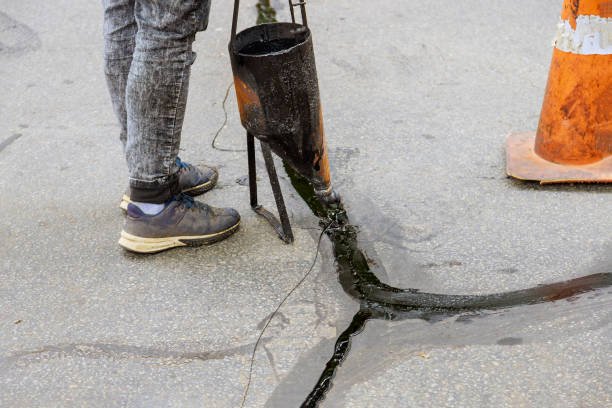
Next, we repair any minor cracks or surface imperfections. For concrete, we use a special filler or patching compound. For asphalt, we apply a crack sealant that blends into the surface. This helps create a solid base before the sealant goes on.
4. Sealing Application
Now comes the actual sealing. Using high-quality commercial-grade sealer, we apply it evenly with a sprayer or roller—depending on the surface type and area. The sealer forms a protective barrier against moisture, UV rays, oil, and daily wear and tear.
5. Drying & Curing
Once applied, the driveway needs time to cure. We usually recommend keeping off the driveway for 24–48 hours (no foot or vehicle traffic) to let it fully set. We’ll leave you with clear aftercare instructions so the surface stays in top condition.
6. Final Check & Cleanup
We’ll return for a final inspection if needed, making sure the finish is smooth and uniform. We clean up the site, remove any tape or barriers, and make sure you’re happy with the result. It’s that simple—your driveway looks great and lasts longer!
How often should I seal my driveway?
We recommend sealing your driveway every 2 to 4 years, depending on traffic and exposure to the elements. If your driveway is looking dull, absorbing water instead of repelling it, or showing minor surface cracks, it’s probably time. Freshly laid driveways should cure for at least 6 months before sealing. Our team can inspect your surface and let you know if it’s ready—it’s all about timing it right for maximum protection.
How long does the sealing process take?
Driveway sealing typically takes one day for preparation and application, then another 24 to 48 hours to cure fully before you can drive on it. We clean the surface, repair small cracks, and apply the sealant evenly across the area. Drying time depends on the weather—warm, dry conditions help it set faster. We’ll always work around your schedule and give you clear instructions so your driveway stays protected without the hassle.
What types of driveways can be sealed?
We seal both concrete and asphalt driveways. For concrete, we use penetrating or film-forming sealers depending on your goals—like stain resistance or colour enhancement. For asphalt, we use high-grade bitumen sealers that prevent oxidation and cracking. Not sure what type you have? No worries—we’ll inspect your driveway and recommend the right sealing product. Sealing is great for both old and new driveways when done correctly.
How much does driveway sealing cost in Hamilton?
Costs typically range from $5 to $15 per square metre, depending on the driveway’s condition, material, and total area. A standard double driveway might cost between $400 and $900. It’s much cheaper than resurfacing or replacing the whole thing, and it adds serious value. We always offer free quotes and explain what’s included—so you know exactly what you’re paying for. No hidden costs, just honest service and long-term results.
Can I seal my driveway myself?
You could, but it’s easy to get it wrong—especially if the surface isn’t prepped properly. DIY sealing often leads to streaks, peeling, or missed spots, which means wasted time and money. Our team has the right tools and sealants to ensure a smooth, even finish that lasts. Plus, we take care of crack repair, surface cleaning, and curing. For a small investment, hiring a pro means better protection and no do-overs.
Will sealing fix cracks or damage in my driveway?
Sealing alone won’t fix large cracks or structural issues—but it will help prevent small cracks from getting worse. Before sealing, we inspect your driveway and repair minor surface damage so the sealant bonds properly. If there are major issues, we’ll talk you through repair options first. Our goal is to make sure your driveway is in top shape before sealing, so you get the most value and durability from the service.
What is the purpose of driveway sealing?
Driveway sealing Hamilton helps prevent water penetration and the formation of cracks and potholes, and other types of damage. Water can seep into the pores of the driveway surface, freeze during cold weather, and expand, leading to cracks and structural weakening. Sealing helps to waterproof the driveway, preventing water from infiltrating the surface and causing these issues.
Driveway sealers often contain additives that provide protection against UV radiation from the sun. Continuous exposure to sunlight can cause asphalt to oxidize and deteriorate, leading to fading, discoloration, and brittleness. By applying a sealer with UV protection, homeowners can help maintain the appearance and structural integrity of their driveway for longer.